From Training to Finish Line: What Not to Do

I’ll never forget my first marathon. The first ones are really in everyone’s memories, I feel.
The weather was perfect in Namma Bengaluru, the crowd was buzzing, race vibes everywhere around, and I thought I had it all figured out.
I blasted off the start line like I was running a 5k. By 10 km, I felt unstoppable. By 28 km, my legs had other plans. By 33 km, I was hobbling, bargaining with the universe, and swearing never to run again.

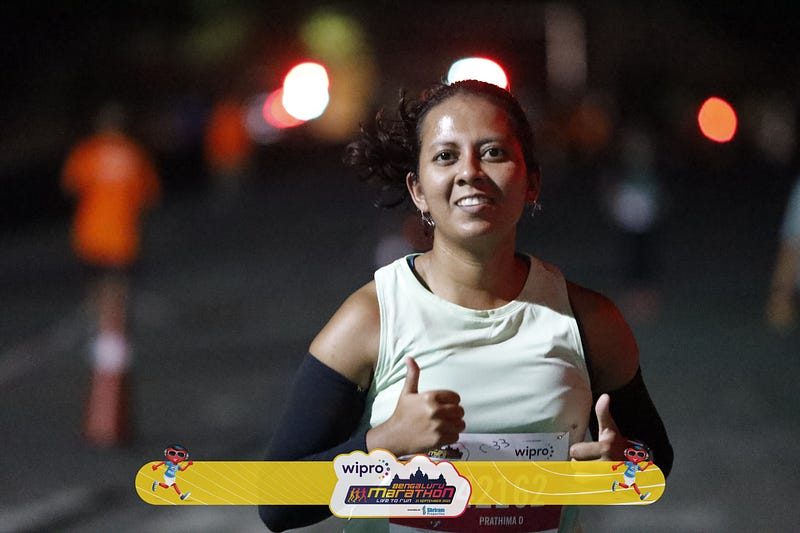

Of course, I DNFed. But I did run again. (And again. And again — eventually into ultra distances) But that race taught me what every marathon teaches: 42 kms humbles everyone, be it a recreational or an elite-level runner.
Here are the 10 most common marathon mistakes, and how you can avoid them, so your first (or next) 42 km feels like a triumph, not a survival shuffle.
1. Starting Too Fast 🚀
“The marathon doesn’t start until 30 kms. Everything before that is just the warm-up.”
- The mistake: Going out too hard with the crowd and burning out early.
- Fix: Go through the route map & elevation to strategise. Visualise the race. Stick to the goal pace or even slightly slower for the first half. Conserve your energy for tougher sections. Patience pays off. Slow & steady is the goal here.
2. Skipping Long Runs 🛑
- The mistake: Relying on 30–42 kms and hoping adrenaline carries you through due to the race day vibes.
- Fix: Gradually build up to at least 35–38 kms in training. Long runs build both body and mind. These long runs don’t just condition your body to handle the distance — they also strengthen your mind to push through fatigue on race day.
- Think of each long run as a technical rehearsal for the marathon: you’ll learn how your body reacts, how to pace yourself, and even how to manage nutrition and hydration.
- Running groups are bliss. Every Saturday, we used to start as early as 5 am and carpool to the outskirts for our long runs. We used the same 3–4 lanes on repeat, which is a mix of elevation and roads. We used to park our cars such that we could hydrate every loop. We also used to pass by every other runner at their own pace and encourage each other. I love my weekends for these long runs followed by a great breakfast, and analysing our runs.
- By the time you reach the start line, you’ll carry the quiet confidence of someone who has already covered the distance in training.
3. Ignoring Nutrition 🍌
- The mistake: Treating marathon fueling like a casual jog. No gels or solid food, no plan, big crash.
- Fix: Practice during long runs. Aim for 30–60g of carbs per hour. Test gels, bananas, or real food — don’t wait until race day.
- Use your long runs to practice fueling. Experiment with gels, bananas, energy bars, or even real food to see what sits well with your stomach. Everyone’s body reacts differently, so treat training runs as your lab. Don’t wait until race day to discover what works — by then it’s too late.
4. Wearing New Gear on Race Day 👟
- The mistake: Debuting new shoes, shorts, or a flashy race tee. Cue blisters, chafing, and only regrets.
- Fix: Nothing new on race day. Train in what you’ll wear, right down to socks. No magic lessons here.
5. Overtraining 📈
- The mistake: “More miles = better.” Wrong. It often equals burnout or injury. Being tapered in the last three weeks by decreasing the distance goals. Rest enough & recover from all the hard training days such that the body feels rejuvenated. Skip ordering meals or takeaways, or even restaurants, a month before the race. Last few days before the race, stick to curd rice & less spices in every meal.
- Fix: Respect recovery days. Quality > quantity.
Remember: it’s better to be slightly undertrained than overcooked.
6. Skipping Strength & Mobility 💪
- The mistake: Running only, ignoring weak glutes, hips, and core.
Hello, injury. - Fix: Two short sessions per week — squats, lunges, planks, bridges.
Pair it up with weight training. Deadlift, sumo weighted squats, kettlebells & so on. Strength = resilience.
7. Not Practising Race-Day Conditions 🎯
- The mistake: Training with headphones on flat roads, racing on hills at sunrise in silence.
- Fix: Do a few “dress rehearsals.”
Wake early, test fueling, and simulate conditions before the race day.
Wake up early, eat the breakfast you plan to have, and practice your fueling strategy. Run at the same time as the marathon, wearing your race gear, and try to mimic course conditions as closely as possible. These practice runs help iron out surprises so that on the big day, everything feels familiar.
8. Forgetting Hydration Balance 💧⚡
- The mistake: Drinking only water (hyponatremia risk) or only a sports drink or gels (a disaster).
- Fix: Balance water and electrolytes.
Test your plan in training, especially on hot days.
Find the right balance between water and electrolytes — too much of one without the other can hurt performance. Use training runs, especially on hot days, to test how much you need and what products work best for you. By race day, your hydration plan should feel as rehearsed as your pacing
9. Neglecting Mental Prep 🧠
- The mistake: Training the legs but not the head.
When the wall hits, panic sets in. - Fix: Break the race into chunks. Use mantras.
Visualise finishing strong. Mind over miles.
Tackle the marathon by breaking it into smaller chunks — think 5ks or 10Ks instead of 42K all at once. My way is 7–8k mark every hour. - Use simple mantras to stay focused (‘one step at a time,’ ‘strong and steady’), and visualise yourself crossing the finish line with power. Remember, your mind can carry you when your body starts to tire — mind over miles.
10. Forgetting to Enjoy the Journey 🎉
“Make every marathon count — train smart, run strong, and finish proud”
- The mistake: Treating it like a punishment or just a box to tick, or even fancying just the medal.
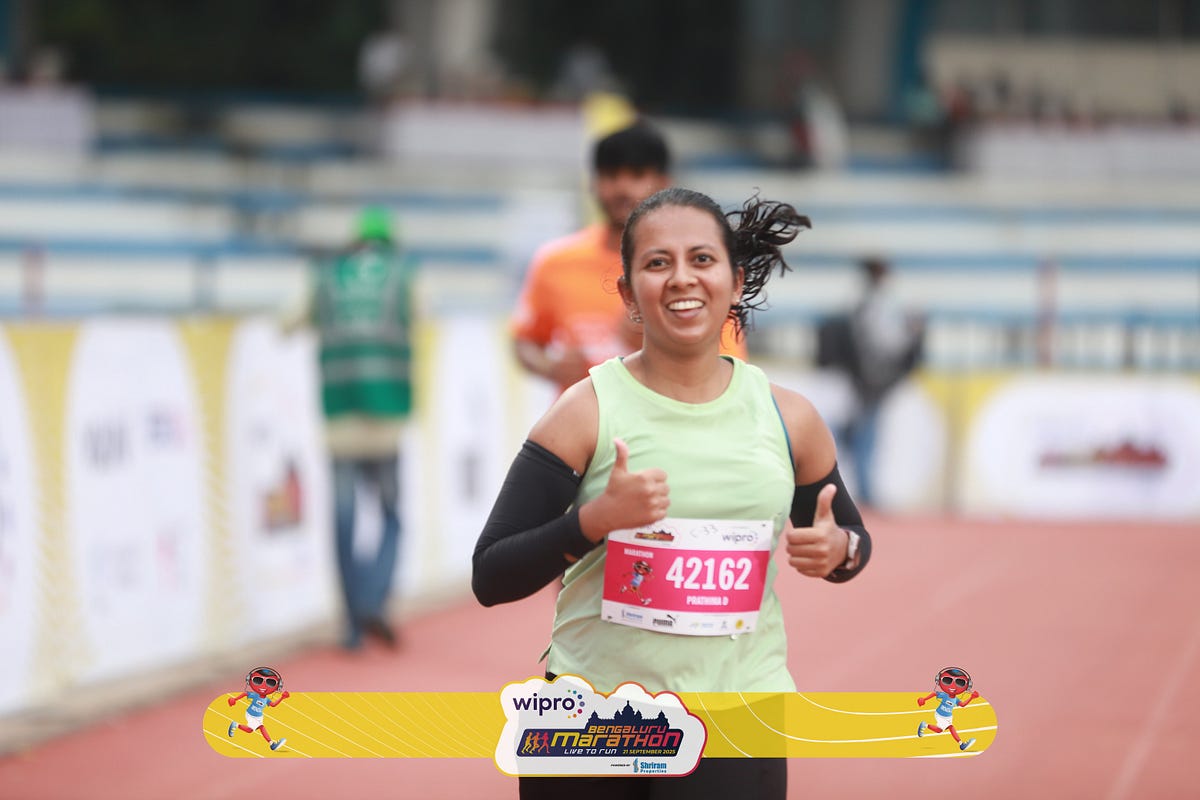
- Fix: Soak up the atmosphere. Smile for the cameras. High-five the kids. This is your moment. Feel the energy of the crowds, the cheers of volunteers, and the excitement of your fellow runners.
- Soak in the crowds, the cheers, and the energy around you. Smile at runners running in the opposite direction, smile at the cameras, high-five the kids and thank the volunteers, and trust your training.
- Every stride you take is a testament to your dedication, perseverance, and courage. Across the finish line, soak up the triumph, savour the achievement, and celebrate the incredible experience you’ve created. This is your moment — own it, embrace it, and let it inspire every step of your marathon journey. Do not do it for Strava. Do it for yourself.
- Every step is a testament to your dedication — enjoy the journey and celebrate crossing the finish line. This is your moment — own it
🏁 Final Word
Running 42 kms is humbling. Even after multiple marathons and ultras, I learn something new every race.
Avoiding these mistakes won’t guarantee perfection — but it will give you the best chance to enjoy the challenge, push through the tough kms, and finish proud.
Because in the end, the marathon isn’t just about the clock.
It’s about who you become on the road to 42 km.
✍️ I share real stories, hard-earned lessons, and practical tips from my journey as a marathoner and ultra-runner.
If this resonated with you, leave claps or a comment, share it with a fellow runner, and follow me for more insights to power your running journey.10 Mistakes Every Marathoner Makes
 Prathima's Miles & Milestones
Leave a comment